Product · cobuy.io
Co-ownerOS™
We built, launched and monetized the first platform for managing a home you co-own.
ProofFeatured in Forbes. Named in The New York Times.
My role
Conceived it. Wrote the product spec. Designed it. Led the engineering team.
Results
- Pioneered home co-ownership software and blockchain-verified agreements.
- Groups across the US subscribe at $1,000 a year to manage shared homes, agreements and finances in one place.
- $150K Algorand Foundation grant. Every milestone delivered early.
What it is
Today homeownership is single-player, but we live in a multi-player world.
The financial, legal and tax systems that keep a homeowner stable are built for a married couple or one person. For everyone else, friends, family, unmarried partners, owning a home together is more complicated, riskier and less efficient than it needs to be.
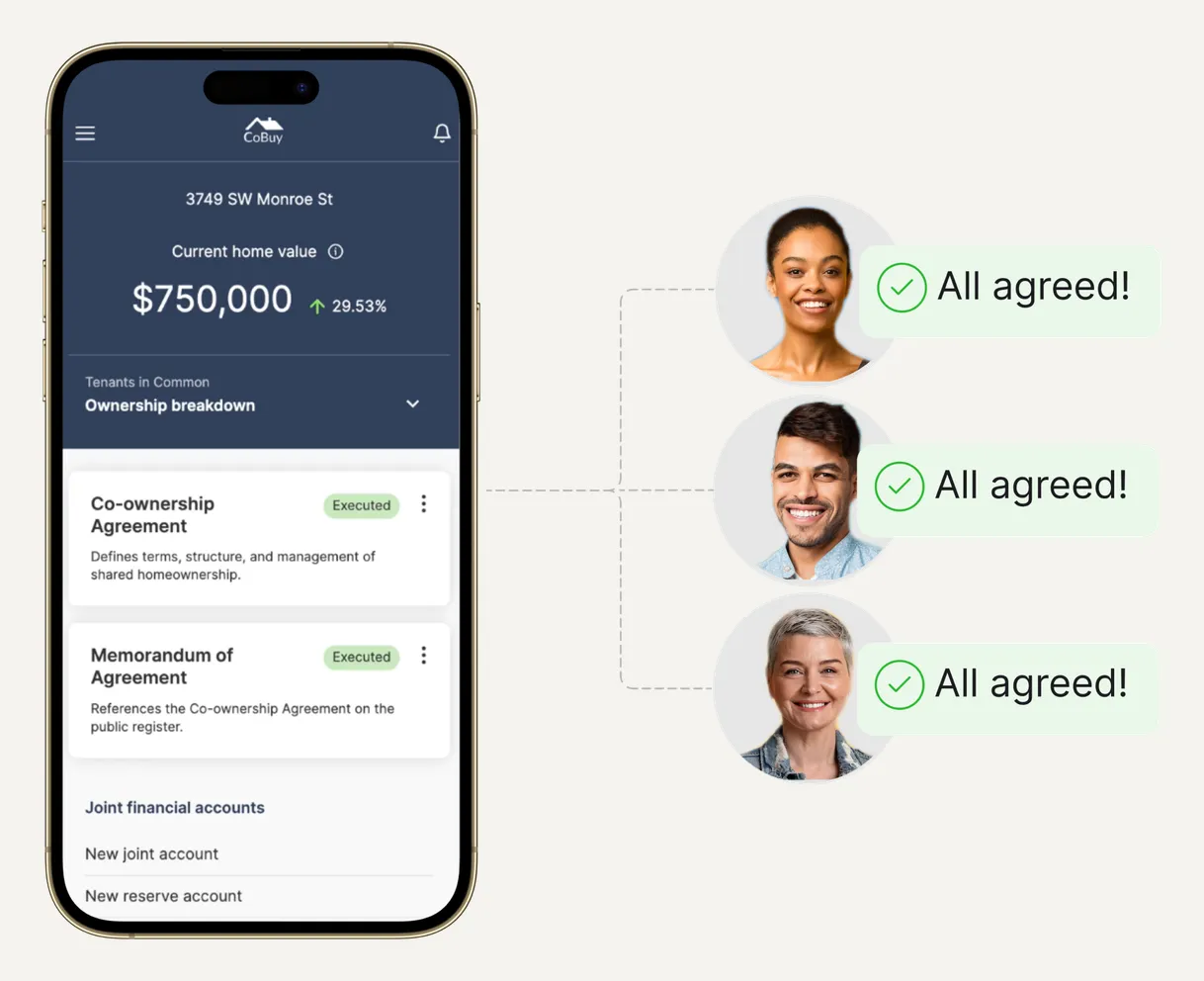
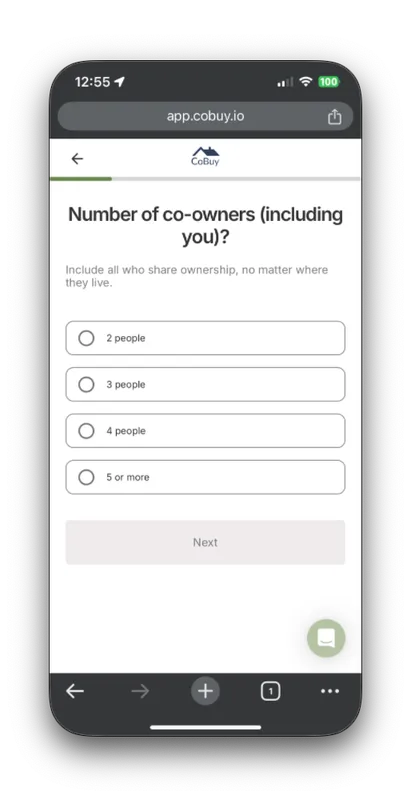
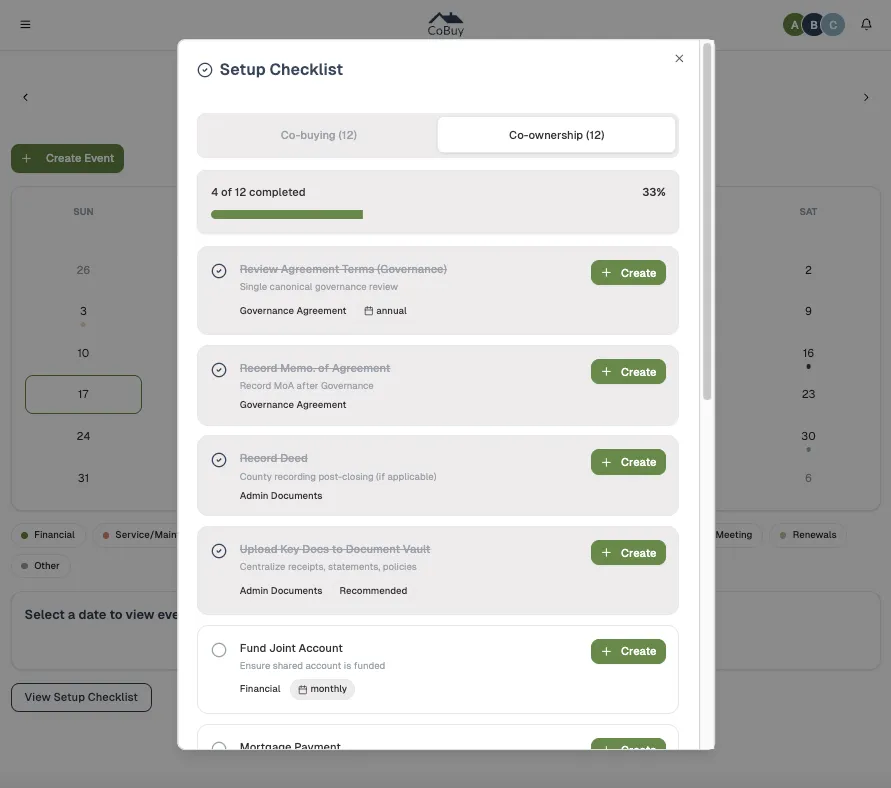
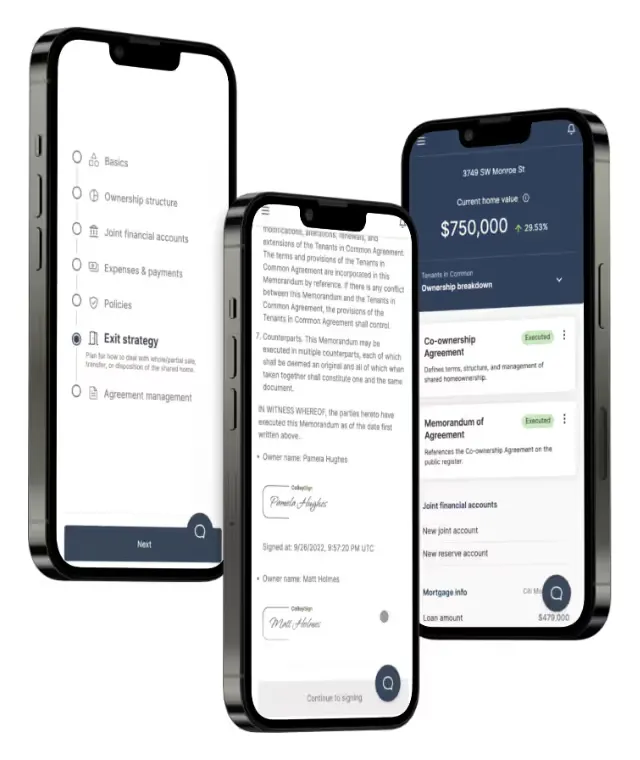
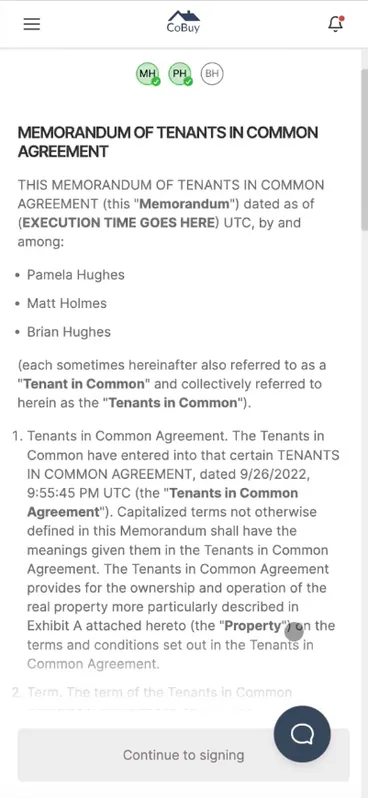
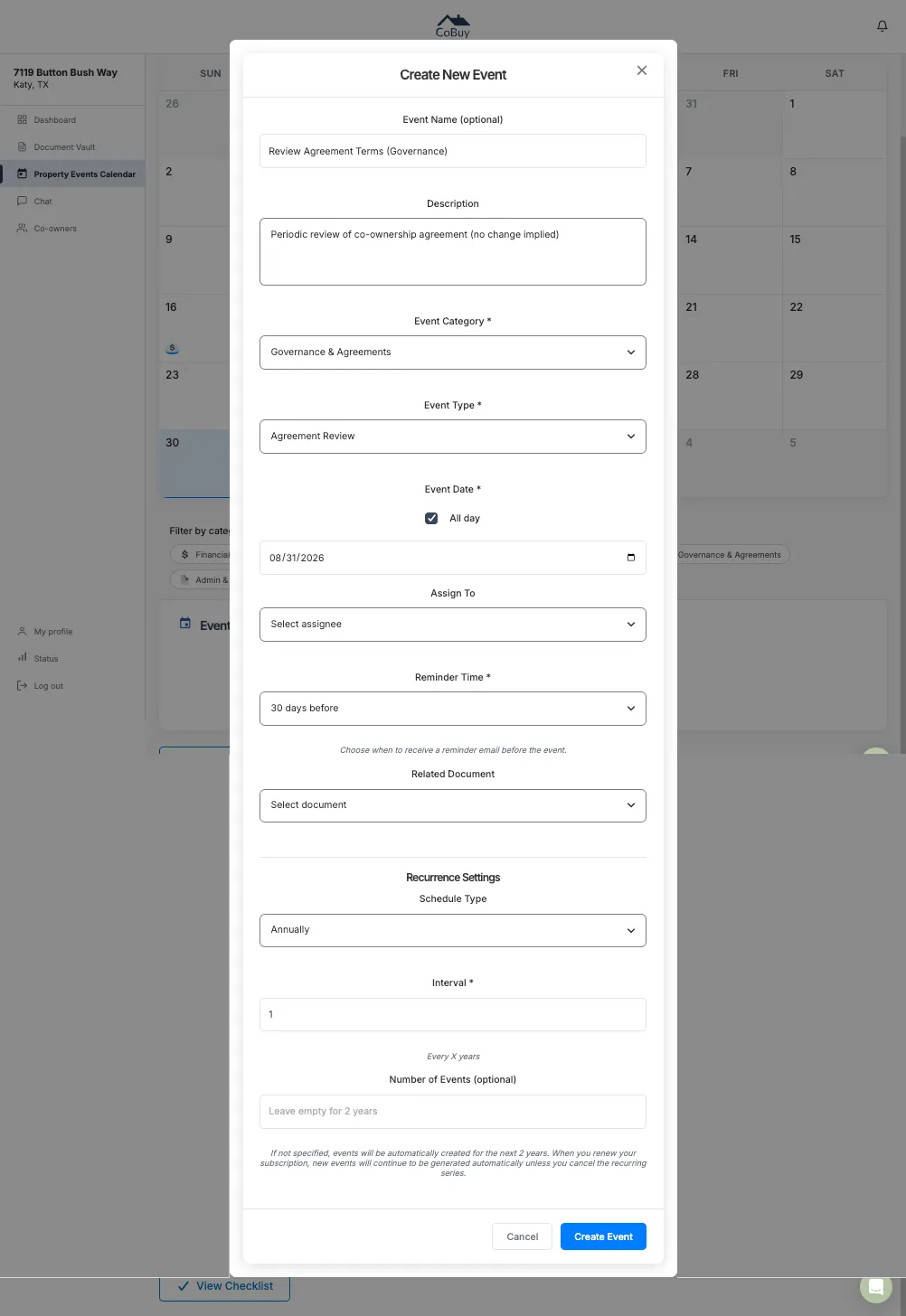
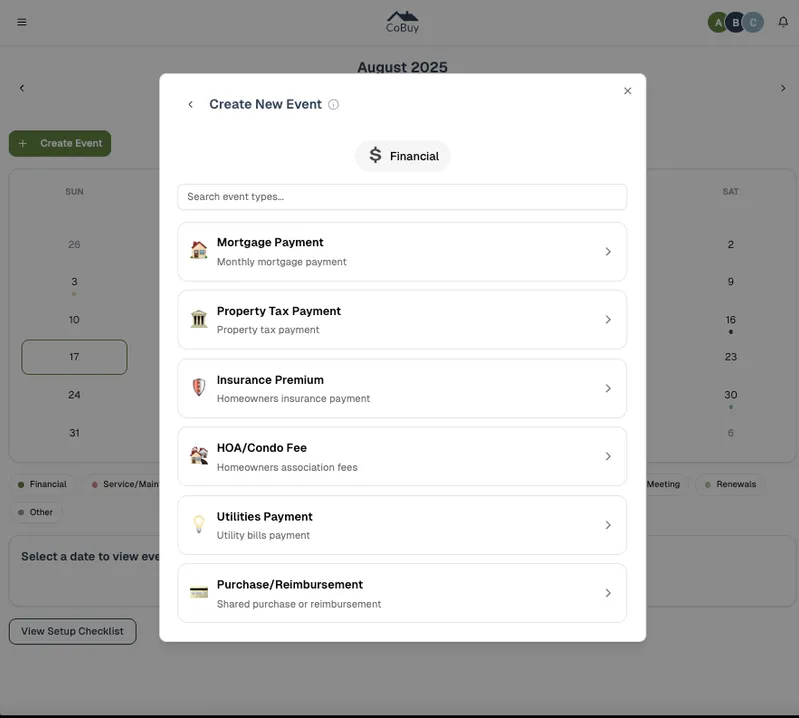
Co-ownerOS™ runs the whole life of a shared home: buying, owning, exit. A group onboards, works through governance step by step, and comes out with co-ownership agreements. Then it runs the home: the property calendar, expenses and payments, documents, the numbers that matter. The exit is defined before anyone needs it.
It works the same whether a group is buying or already owns. Groups in a purchase follow the Co-buyer Route and leave with draft agreements they can take to an agent, lender or attorney. Groups that own sign binding ones.
It’s for two to four people who co-own a home, or are about to, with a friend, family member or partner.
Screens
Set up the group
Agree and sign
Run the home
More proof
- A group’s decisions on ownership, contributions, responsibilities and exit become two coordinated agreements.
- Agreements are co-created, versioned and signed. Every signature is tied to the exact document, with an execution record anyone in the group can verify.
- When circumstances change, the group amends and re-signs.
- One shared calendar ties obligations, governance and maintenance to an owner, a recurring reminder and the document in the Vault.
- 36 data entities, 97 API routes and a smart contract, on two isolated databases.
- Identity checks, payments, property data and messaging wired in through 8 outside services.
- 58,000+ lines of technical documentation, so the next engineer starts fast.
Related work